
Athletic court construction Pretoria by NexGen Sports Surfaces provides an appropriate surface for athletes to compete and perform at their best. Whether for basketball, tennis, volleyball, or any other sport, the court must be constructed correctly to verify the safety and performance of the players.
Building an athletic court is a big project that needs careful planning and preparation. Whether it’s for a school, community center, or private use, the right approach can make all the difference. NexGen Sports Surfaces is here to assist you all preparations to ensure that the athletics court will be safe, durable, and enjoyable for everyone who uses it.
Choosing the Right Location for the Athletic Court Construction
Picking the right spot for your sports facility is crucial. The location affects everything from the court’s usability to its longevity. First, consider the space you have available. Make sure there’s enough room not just for the athletic court itself but also for any surrounding areas needed for safety and convenience.
Accessibility is another key factor. The court should be easy to reach for all users, whether they’re walking, driving, or using public transportation. If it’s too hard to get to, people might not use it as much as they could.
The surrounding environment also matters. Look for a location that’s free from large trees, as roots can damage the athletic court surface and falling leaves can create extra maintenance work. Also, consider the amount of sunlight and shade the area gets, as this can affect the court’s surface over time.
Before finalizing the location, it’s important to do a site evaluation and soil testing. This helps ensure that the ground is suitable for construction and can support the court without issues. Soil testing can reveal any potential problems with drainage or stability, which need to be addressed before construction begins.
Selecting the Appropriate Athletic Courts Type in Pretoria
Choosing the right type of sports facility depends on how it will be used and your budget. Different sports require different types of athletic courts, so it’s important to pick the one that fits your needs best.
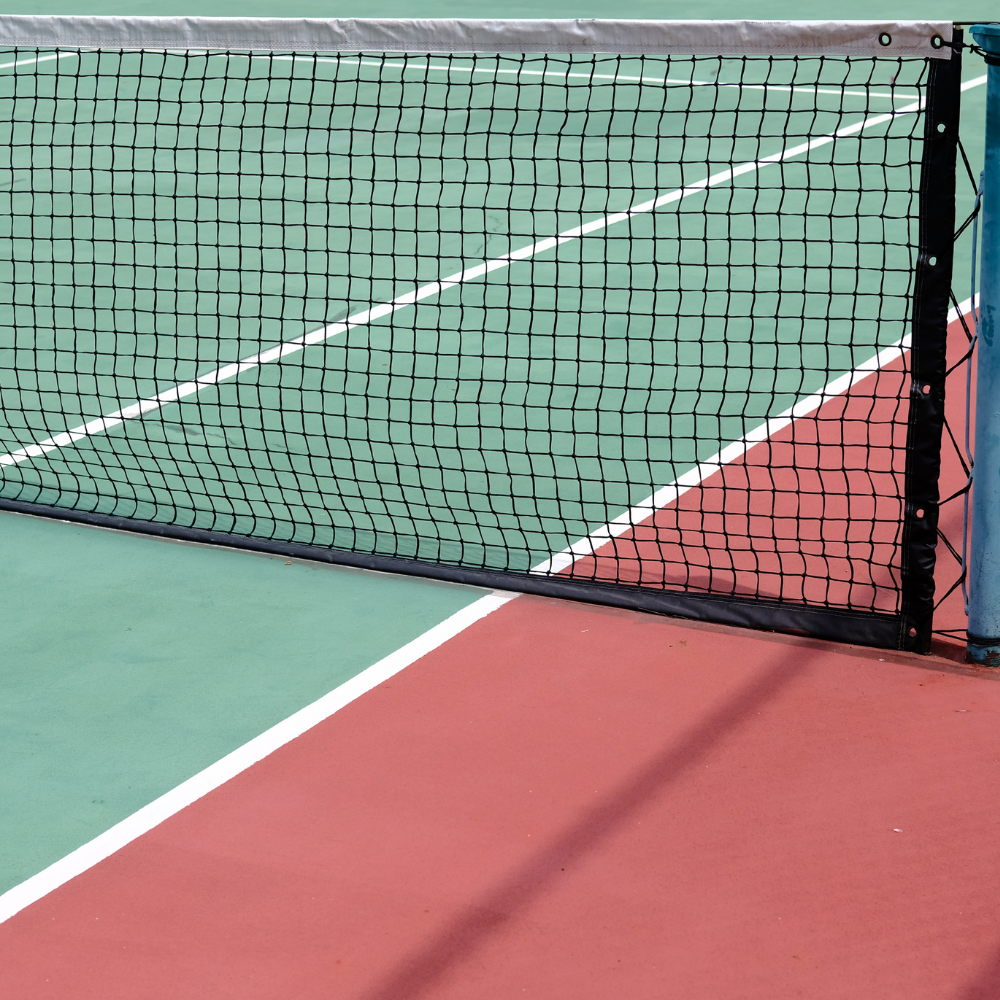
If you’re planning to build a tennis court, you might choose between hard courts, clay courts, or grass courts.
- Hard courts are durable and low-maintenance, making them a popular choice.
- Clay courts are softer and easier on the joints but need more upkeep.
- Grass courts provide a classic look and feel but require regular maintenance to stay in good condition.
For basketball, a hard surface like concrete or asphalt is common. These materials are tough and can handle the high impact of the game.
If you’re considering a multi-purpose court, synthetic surfaces might be the best option. They offer good performance for various sports and are easier on the players’ joints.
Think about how often the court will be used and by whom. For example, a school or community center might benefit from a multi-purpose court that can handle different activities. This can make the court more versatile and valuable to a larger number of people.
Your budget will also play a big role in deciding the court type. Some materials and designs are more expensive than others. It’s important to balance cost with the benefits and longevity of the court. Investing in quality materials can save money on repairs and maintenance in the long run.
A well-maintained athletic court looks great and makes a strong first impression. Fresh paint, clean surfaces, and clear markings create a professional look that enhances the overall experience for players and spectators.
Planning and Design
Importance of a Well-Thought-Out Design – Athletics court construction Pretoria
A good athletic court design is the foundation of a great sports facility. Planning the layout and features carefully ensures that the court will meet your needs and provide a good playing experience. Take the time to think about how the court will be used and what features are essential.
Key Elements of Athletics Facility Design
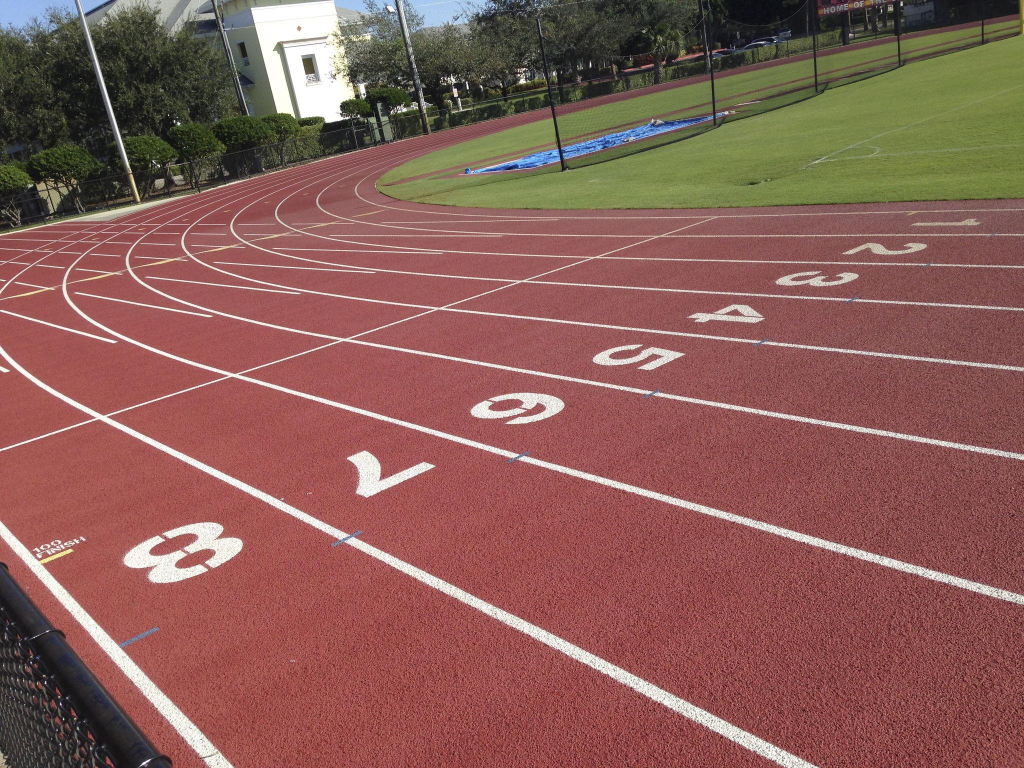
When designing an athletics court in Pretoria, several key elements need to be considered:
Dimensions: Ensure the court meets the standard size for the sport. This ensures fair play and avoids any issues with regulations.
Layout: Plan the layout to include not just the court but also surrounding areas for safety and convenience. Think about where seating, fencing, and lighting will be placed.
Orientation: The court’s orientation can impact play. For example, a north-south orientation for tennis courts can help minimize sun glare for players.
Involvement of Professional Designers and Architects
Working with professional designers and architects can make a big difference. NexGen Sports Surfaces bring expertise and experience, helping to create a design that is both functional and aesthetically pleasing. Our professionals can also ensure that the design meets all necessary regulations and standards.
Material Selection
Common Materials
Choosing the right materials is key to a durable sports facility. Popular options include asphalt, concrete, and synthetic surfaces.
Factors to Consider
Durability: Pick materials that can handle heavy use and weather. Durable materials last longer and need fewer repairs.
Maintenance: Some surfaces need more upkeep than others. Consider how much time and money you can spend on maintenance.
Cost: Balance the initial cost with long-term maintenance expenses.
Material Pros and Cons
Asphalt: Cost-effective and provides good traction but can crack over time and needs sealing.
Concrete: Very durable and low-maintenance but can be hard on joints and more expensive to install.
Synthetic Surfaces: Great performance and easier on joints, versatile for multiple sports, but may have higher upfront costs.
Making the Right Choice
Think about how often the court will be used, what sports will be played, and your maintenance capabilities. Consulting a professional can help you choose the best material.
Budgeting and Financing
Setting a realistic budget is crucial for your sports facility construction. NexGen will assist you by listing all potential costs, including materials, labor, permits, and any additional features like lighting or seating. This helps you understand the total investment needed and plan accordingly.
Staying within budget can be challenging, but it’s important for the success of your project. NexGen will help you monitor your spending closely and adjust plans if needed to avoid overspending. Prioritizing essential elements and being flexible with non-essential features can help keep costs under control.
From Concept to Completion: Our Custom Court Process
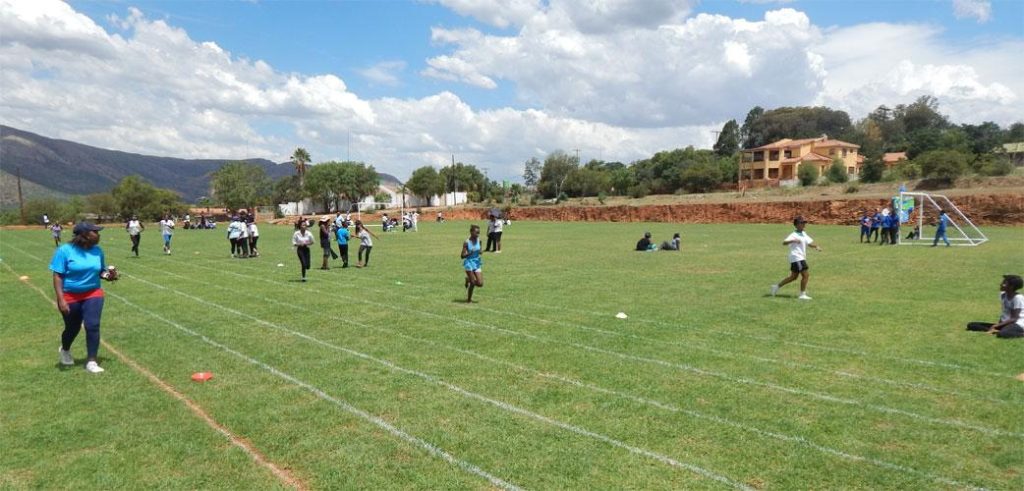
Part of our passion for building custom athletics courts is the thrill of creating something unique, meaningful, and functional for all of our clients. From choosing color schemes to selecting state-of-the-art surface materials for superior comfort and support, our customization process will take your new multi-sport game court from concept to completion through these initial steps.
From choosing color schemes to selecting state-of-the-art surface materials for superior comfort and support, our customization process will take your new multi-sport court from concept to completion through these initial steps.